

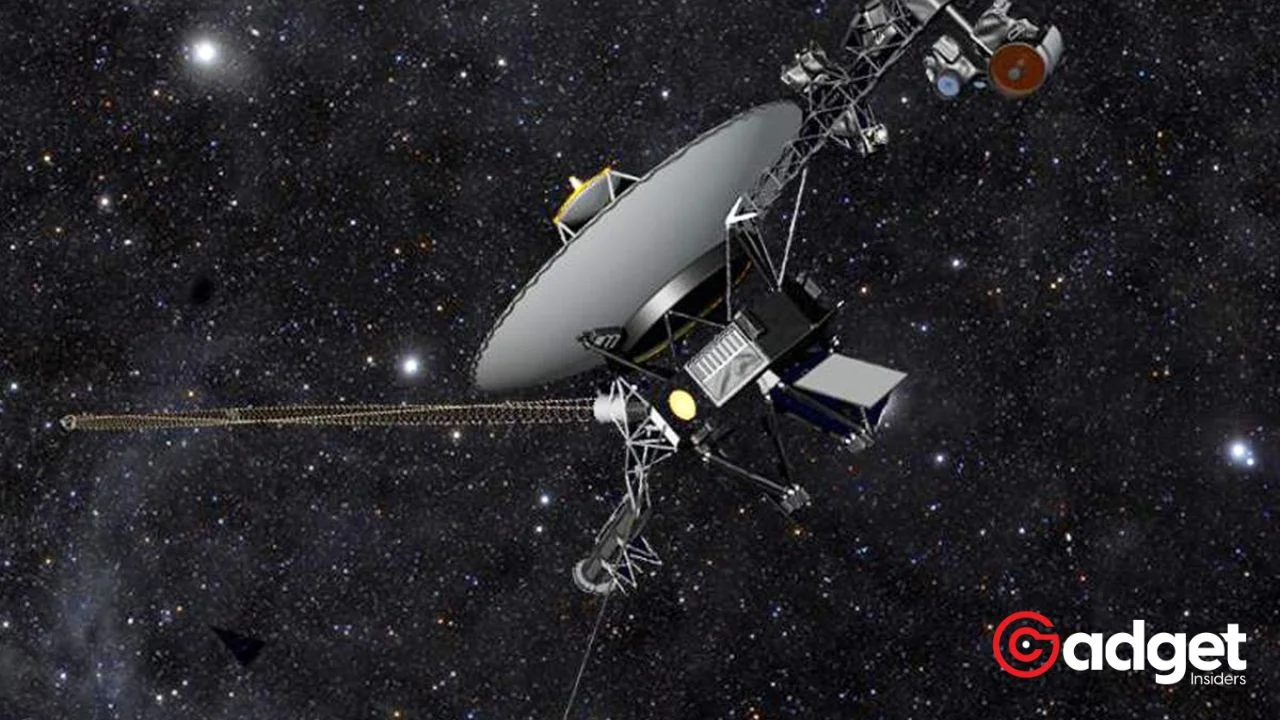
The story of Voyager 1, one of humanity’s most audacious attempts to reach beyond the stars, maybe approaching its twilight. Launched into the cosmos in 1977, this intrepid explorer has served as Earth’s emissary, traversing the void of space to bring us insights from the edge of interstellar space.
Yet, recent glitches in its system have cast a shadow over its continued mission, with NASA’s Jet Propulsion Laboratory (JPL) now suggesting that a recovery would be nothing short of miraculous.
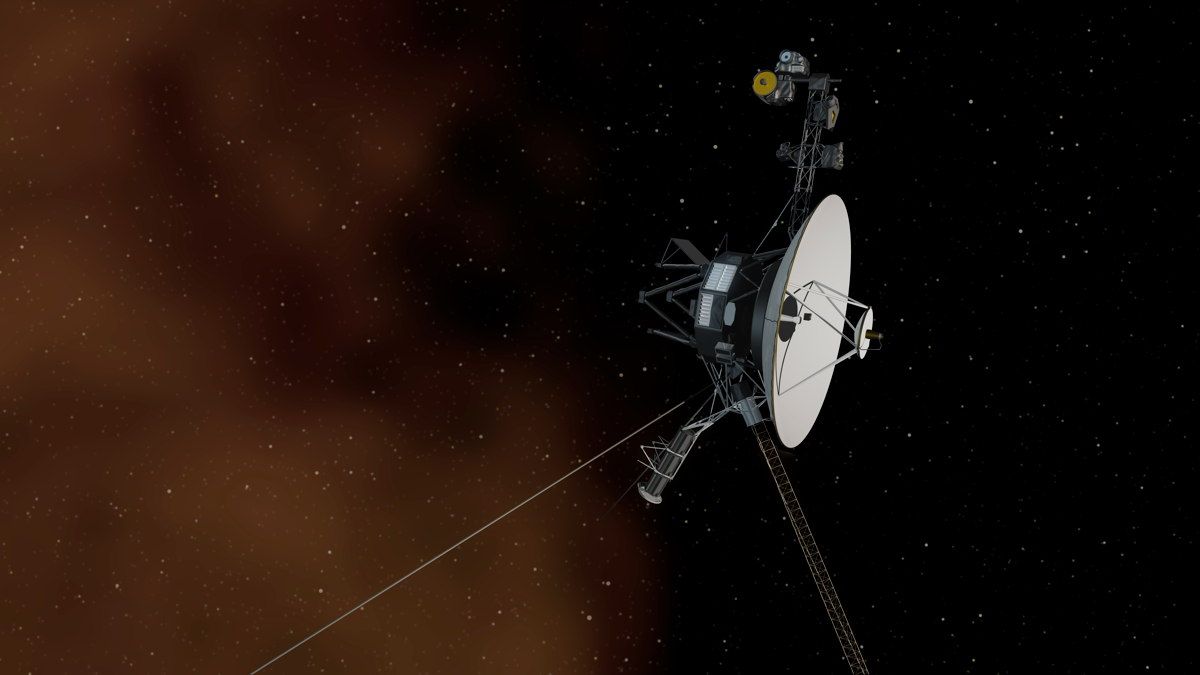
Voyager 1: A Beacon of Human Curiosity
Since its departure alongside its sibling, Voyager 2, Voyager 1 has etched its name into the annals of space exploration history. These spacecraft, conceived during the height of the Cold War, have outlived their original missions, transforming from mere planetary explorers into messengers of mankind, destined for the stars.
Their achievements have not only expanded our understanding of the solar system but have also ignited imaginations worldwide about what lies beyond.
The Challenge of Distance
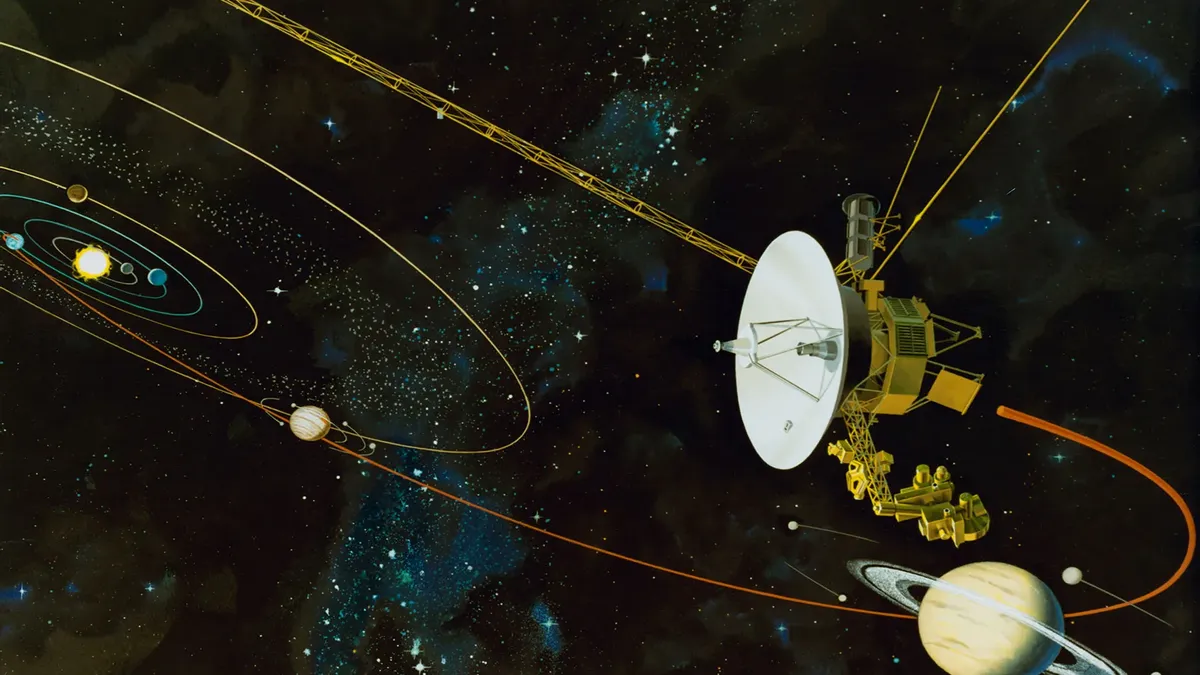
One of the most daunting aspects of maintaining contact with the satellite is the sheer distance it has traveled from Earth. Signals now take over 22 hours to traverse the vast expanse of space to reach the probe, and a similar duration to return, totaling a communication lag of approximately 45 hours. This delay complicates any attempt at troubleshooting, especially when faced with the kind of system glitches Voyager 1 has been experiencing.
𝐕𝐨𝐲𝐚𝐠𝐞𝐫-𝟏 𝐮𝐧𝐚𝐛𝐥𝐞 𝐭𝐨 𝐬𝐞𝐧𝐝 𝐝𝐚𝐭𝐚 𝐟𝐫𝐨𝐦 𝐨𝐮𝐭𝐬𝐢𝐝𝐞 𝐒𝐨𝐥𝐚𝐫 𝐒𝐲𝐬𝐭𝐞𝐦, 𝐬𝐚𝐲𝐬 𝐍𝐀𝐒𝐀
NASA's Voyager-1, a pioneering spacecraft launched in 1977, is currently facing challenges transmitting data back to Earth as it ventures beyond our Solar… pic.twitter.com/cjHDvT8J8R
— CYPRUS (@DaneyCasey) February 8, 2024
The Heart of the Problem
The issues plaguing Voyager 1 stem from its Flight Data System (FDS), a critical component responsible for gathering and relaying engineering information from the probe’s suite of instruments. Despite the best efforts of the engineering team, the spacecraft has remained in a state of limbo for months, sending back indecipherable data to its handlers on Earth.
NASA: Holding onto Hope
Despite the grim prognosis, the team at NASA JPL remains hopeful. The history of space exploration is filled with instances of unexpected recoveries and surprising resilience. The possibility, however slim, that it might once again transmit valuable data back to Earth is a testament to the eternal optimism that characterizes our quest to understand the universe.
A Legacy of Discovery
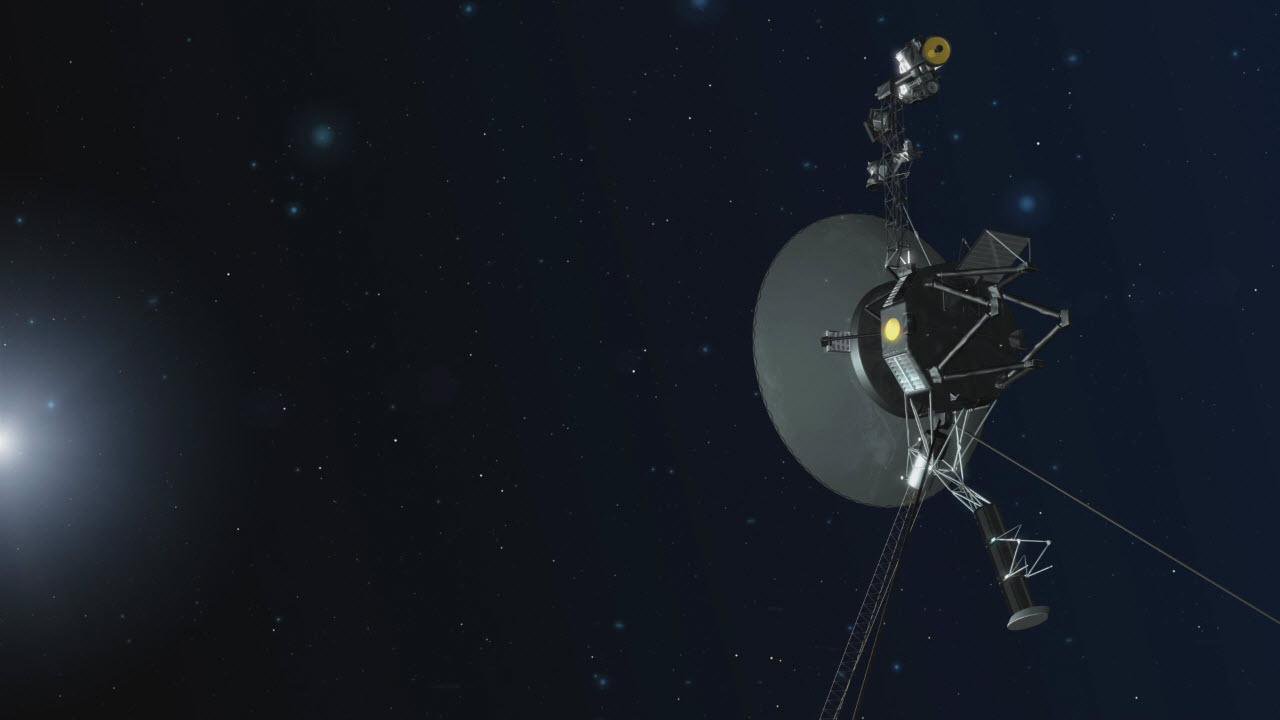
Regardless of what the future holds for Voyager 1, its contributions to science and our understanding of the cosmos are indelible. For over four decades, it has charted a path through the unknown, sending back invaluable data about the outer planets and the heliosphere’s boundary.
Its journey has not only pushed the boundaries of human knowledge but has also served as a beacon of inspiration for future generations of explorers.
While we may be on the verge of bidding farewell to Voyager 1, its legacy will endure. As it drifts further into the cosmic ocean, it carries with it the hopes and dreams of humanity, a reminder of our insatiable curiosity and our unyielding desire to explore the unknown.
The silence from Voyager 1 may soon become permanent, but the story of its journey — a testament to human ingenuity and perseverance — will continue to echo through the ages.